Dual-Purpose Chicken Breeds: The Best Chickens for Both Meat and Egg Production
If you’re looking for large brown eggs and ample egg production from meat chickens that grow quickly, you want dual-purpose chicks. Our family of hatcheries produces dual-purpose breeds to showcase the best qualities of both broiler chickens and egg layers. Dual-purpose birds will be laying large eggs and supplying meat in no time, and we’ll ship them directly from our Lancaster County, PA, hatcheries to you.
Select options
This product has multiple variants. The options may be chosen on the product page
What Are Dual-Purpose Chicken Breeds?
A dual-purpose chicken is a breed selected for both egg production and meat yield. These birds are not specialized in the way broilers or dedicated egg layers are. Instead, they strike a balance between the two.
Here is how they compare to single-purpose birds:
Broilers grow rapidly to a heavy processing weight but produce few eggs and are not kept long-term.
Dedicated egg layers produce large numbers of eggs but have lower body mass and are less suitable for meat production.
Dual-purpose breeds land in the middle. Hens lay consistently and grow to a respectable size, while cockerels and older hens can be processed for meat when the time is right.
For small farms, homesteads, and backyard flocks, this balance can feel the most practical and efficient approach to raising backyard chickens. However wile they do well at both they are not excellent at either. If you specifically want egg production of meat production we recommend buying a breed that aligns directly with your objective. This will giv eyou the best return on yoru investment.
Dual-purpose poultry breeds offer real, tangible advantages that make them a smart choice for most small-flock situations. Here’s why backyard keepers and homesteaders will choose these birds:
Steady egg supply: Hens produce 170-280 large eggs per year, depending on breed, giving you a consistent supply for your kitchen or for sale. That’s reliable protein production without premium feed costs.
Quality meat production: These breeds fill out well. Cockerels and spent hens dress out with a good yield, so nothing in your flock goes to waste. You get both food sources from a single investment.
Sustainable poultry farming: One flock serves two purposes, which means fewer resources are spent on housing, feed, and management for separate operations. It’s efficient farming at its most practical.
Cost efficiency: You’re not maintaining two separate operations to get both eggs and meat. One breed, one feed program, one management routine keeps expenses down and results up.However when you go egg and meat specific with you selection you can notice an even better return on investment.
Hardy and adaptable: Most heritage-rooted dual-purpose breeds are calm, forgiving of varied climates, and well-suited for free-range and backyard environments. They thrive where specialized breeds struggle.
Proven heritage lines: The breeds we carry draw from time-tested genetics that have performed on farms for generations. You’re not experimenting—you’re investing in birds with a track record.
In short, dual-purpose breeds give you eggs, meat, cost savings, and sustainability from one flock. That’s the practical choice for backyard keepers.
Find Your Perfect Dual-Purpose Breed
Not sure which breed fits your flock? Here’s a quick breakdown of the Aquila, New Hampshire, and Sagitta to help you choose.
Aquila
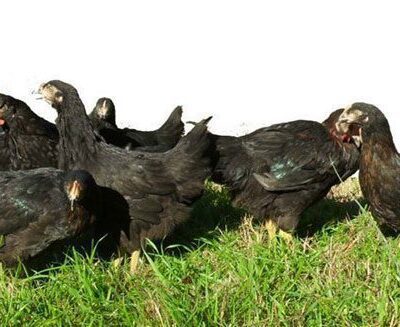
The Aquila is one of the top egg-producing options among dual-purpose poultry breeds. Developed by Henry Saglio using Rhode Island Reds, Black Australorps, and White Plymouth Rock, this bird carries strong heritage genetics on both sides. Hens lay approximately 250 to 280 large to extra-large, light-brown eggs annually. Hens reach 5 to 5.5 pounds by 16 weeks, and cockerels hit 5 pounds by 12 weeks. Their iridescent black plumage, calm demeanor, and feed efficiency make them a standout for egg-focused dual-purpose keepers.
Best for: Egg-leaning dual-purpose flocks, small farms, and backyard keepers who want high production with a meaty cockerel option.
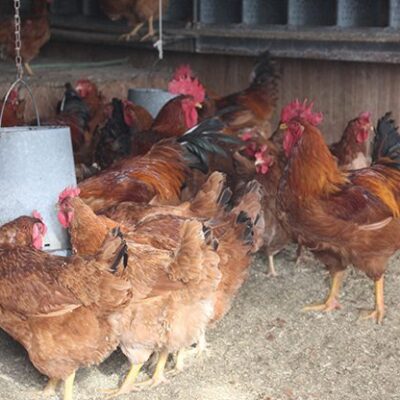
The heritage New Hampshire is one of the most trusted chickens for meat and eggs in the backyard and small farm space. Developed from Rhode Island Red genetics in the early 20th century, it was intentionally selected for fast feathering and rapid growth. Our New Hampshire line comes from Henry Knoll’s flock and has been raised on GMO-free feed since 2015. Hens lay around 200 large, light-brown eggs per year. Hens reach approximately 6 pounds at maturity, while roosters can reach 8.5 pounds, making them an excellent meat bird as well. These birds are light red in color, broad-bodied, often go broody, and are known for their strong mothering instincts.
Best for: Meat-leaning dual-purpose goals, free-range and organic production, keepers who want a heritage bird with real substance.
The Sagitta was developed by Henry Saglio as a deliberate cross of Rhode Island Red, New Hampshire, and Cornish Cross genetics, making it one of the most well-balanced best dual-purpose chickens available. Hens lay 170 to 190 large to extra-large, light-brown eggs per year. Cockerels reach 5 pounds between 12 and 13 weeks, and hens weigh 5 to 5.5 pounds at 16 weeks. The Sagitta is calm, hardy, and well-suited to both backyard and small-farm environments.
Best for: Balanced dual-purpose production, beginners who want a manageable, even-tempered flock, and farms looking for a reliable all-around bird.
Dual-purpose breeds are a natural fit for a wide range of flock sizes and farming goals. They tend to work especially well for:
Backyard flock owners: If you want eggs most of the year and the option to process extra cockerels or older hens for meat, dual-purpose birds give you that flexibility without a second flock.
Homesteaders: For those managing land and livestock with an eye toward self-sufficiency, dual-purpose breeds are a foundational choice. One set of birds covers two major food needs.
Small and mid-sized farms: If you are raising chickens for your own table and supplementing with egg sales, these breeds provide the production volume and meat yield that make the numbers work.
Beginners: Heritage-rooted dual-purpose breeds are typically calmer, hardier, and more forgiving of mistakes than high-strung dedicated layers or fast-growing broilers. They are a practical starting point for new keepers.
If any of these describe your situation, dual-purpose breeds are the right choice for your flock. The question isn’t whether they’ll work. It’s which breed will work best for you.
How to Choose the Right Dual-Purpose Breed
Not every dual-purpose chicken breed performs the same way. Here are the key factors to consider before you order.
Egg production vs. meat balance: The Aquila leans more toward egg production with 250 to 280 eggs annually. New Hampshire leans toward meat with its rapid growth and heavier frame. The Sagitta sits comfortably in between. Match the breed to your priority, and you’ll maximize your results.
Climate and hardiness: All three breeds in our lineup are hardy birds suited to a range of climates. If you are in a colder region, look for breeds with single combs and heavier body mass, both of which support cold tolerance. Our New Hampshire and Sagitta perform well in varied seasonal conditions, so that you can feel confident in most environments.
Experience level: If you are new to keeping chickens, all three of our dual-purpose breeds are calm and manageable. The Sagitta and New Hampshire are particularly forgiving for first-time flock owners. Starting with either breed sets you up for early success.
Flock management goals: Are you ordering all females for egg focus? A straight run for a mix of laying hens and meat cockerels? Available run types vary by breed, so check each product page before ordering. Your choice here shapes your entire harvest plan.
Take time to think through each factor. The right breed match means a flock that thrives and delivers exactly what you need. If you are looking to rerpoduce your own future flock please ba advised that there are some management components that come into play.
Get Healthy, Viable Dual-Purpose Chicks from a Hatchery You Can Trust
When you order the best dual-purpose chickens from Freedom Ranger Hatchery, you’re choosing more than just chicks. You’re investing in birds that are expected to arrive healthy, strong, and ready to thrive in your brooder. We are a family-owned and operated hatchery based in Lancaster County, PA, with decades of experience raising dual-purpose breeds.
Our birds are hatched and shipped within 24 hours, to enable them to arrive in peak condition. We follow health-focused hatchery practices designed to produce strong, viable chicks from the start, not after weeks of shipping stress.
Your dual-purpose chicks come from our family of hatcheries, including Hillside Hatchery, which specializes in egg-layer and dual-purpose breeds. Every line we carry has been vetted for performance, temperament, and reliability. You’re not taking a gamble. You’re getting birds with a proven track record.
Have questions about breed selection or ordering? Contact us today or visit our Ordering FAQs page.
Hear from Our Satisfied Customers
“Awesome experience with this Hatchery! Received 27 NH Red meat birds today. All are alive, and all are very active!!!! Great price, great communication, and an awesome heritage bloodline! I’m kicking myself for waiting so long to order from these folks.
**Update** 36 hours after I picked them up at the post office, and there are still no losses!!! Eating a ton of food and a lot of water!!!! Excellent, excellent, excellent!!!”
– Thomas Green via Google
“First time ordering directly from a hatchery. Still very cold here in N. Idaho, and I was a bit scared. How are they going to get here ok? Are they transported with enough heat to make the trip? I communicated my concerns with Freedom Ranger Hatchery and got a reassuring response within a day.
My chicks got here just this morning. All 50 are lively and robust! I’m telling all my chicken-growing friends and will be ordering again.
Thanks, Freedom Ranger Hatchery! You are THE BEST!!!”
Frequently Asked Questions About Dual-Purpose Chicken Breeds
Still deciding if dual-purpose chickens are right for you? These answers address the most common questions new and experienced keepers ask before ordering.
What is a dual-purpose chicken?
A dual-purpose chicken is a breed raised for both egg laying and meat production. Rather than specializing in one area, these birds offer practical performance in both. Hens provide a steady supply of eggs, while cockerels and older hens can be processed for table use when the time is right. However wile they do well at both they are not excellent at either. If you specifically want egg production of meat production we recommend buying a breed that aligns directly with your objective. This will give you the best return on yoru investment.
Which dual-purpose breed is best for eggs and meat?
It depends on your priority. The Aquila leads in eggs (250-280 annually). The New Hampshire excels at meat with rapid growth. The Sagitta offers balanced performance. If unsure which are the best backyard chickens for eggs and meat, start with the Sagitta.
Are dual-purpose chickens good for beginners?
Yes. The Sagitta and New Hampshire are calm, hardy, and forgiving of early mistakes. They adapt well to backyard and free-range environments better than specialized breeds.
How many eggs do dual-purpose chickens lay?
The Aquila lays 250-280 eggs per year. The New Hampshire lays approximately 200. The Sagitta lays 170-190. These estimates assume consistent feed, water, and light.
Ready to Build a More Self-Sufficient Flock?
Whether you are managing a backyard flock, small homestead chickens, or a farm-to-table operation, dual-purpose chicken breeds give you the flexibility to produce your own eggs and meat from a single, manageable flock. Freedom Ranger Hatchery makes it simple to get started with healthy, well-bred chicks shipped directly to you.
Browse our available best dual-purpose chickens, select your breed, and choose a ship date that works for your schedule. Dates can fill quickly in the spring, so do not wait too long.