


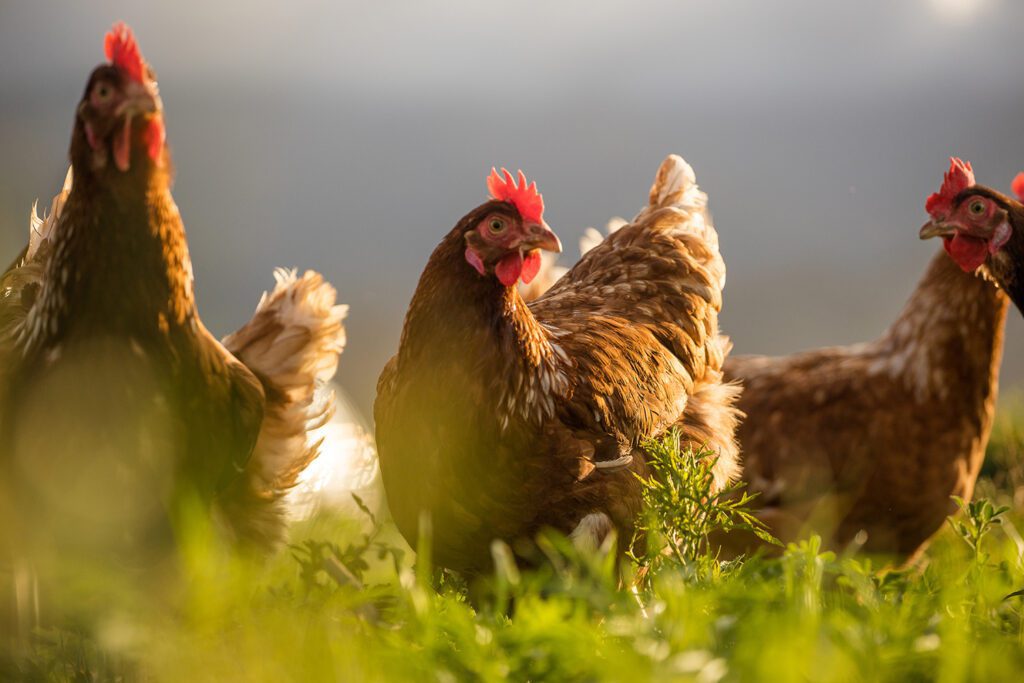
If you are planning your first flock, one of your first decisions will be which breed to start with. The options can feel overwhelming fast. You will find dozens of names, conflicting opinions, and lists that do not always explain why a breed works for new owners.
This guide cuts through that noise. When it comes to choosing the best beginner chicken breeds, the traits that matter most come down to a short list: calm temperament, solid egg production, climate tolerance, and straightforward care needs. Get those basics right, and your first season goes a lot smoother.
Before you look at specific breeds, it helps to understand the selection criteria. Not every trait matters equally for every situation, but these are the ones that tend to make or break a first-flock experience.
A docile temperament is probably the single most important trait for new owners, especially if you have children around or plan to handle your birds regularly. Skittish or aggressive breeds create stress for both the birds and the keeper. Breeds known for calm, people-tolerant behavior are far easier to manage when you are still learning the routine.
If eggs are part of your goal, pay attention to egg-laying rate before you buy. Some breeds lay 5 to 6 eggs per week at peak lay. Others average two to three. Know what you are aiming for. It is also worth deciding whether you prefer brown eggs vs white eggs ahead of time, since that preference influences which breeds belong on your shortlist.
Where you live matters. If your winters are cold, you want cold hardy breeds that handle temperature drops without a dip in production or health. If your summers are hot and humid, look for heat tolerant breeds that do not struggle in warm conditions. Many dual-purpose breeds handle both ends of the spectrum reasonably well.
Noise level is often underestimated by first-time owners, especially those with neighbors close by. Some hens are simply louder than others. Broodiness is another variable to plan for. A broody hen will stop laying and sit on a nest, which can disrupt your egg supply. Some breeds go broody frequently; others rarely do.
These breeds consistently earn high marks for new owners based on temperament, practical performance, and ease of care. Each one is available through Freedom Ranger Hatchery.
Best for: New owners who want a reliable egg supply with minimal management demands.
The heritage Rhode Island Red is one of the top recommendations for the best chickens for first-time owners. These birds are hardy, adaptable, and consistent layers of brown eggs, averaging four to five eggs per week. They handle cold weather well and tolerate confinement if your run space is limited. Their personality leans toward independence rather than lap-chicken friendliness, but they are not flighty or aggressive.
Best for: Families who want a calm, friendly bird that also performs well at the nest box.
The Barred Rock is one of the most well-rounded easy chicken breeds for beginners. These birds are calm, curious, and do well around children. They are cold-hardy, tolerate handling, and lay consistently throughout most of the year. If you want a breed that brings personality along with reliable egg production, Barred Rocks are a strong choice.
Best for: Keepers who want variety in the egg basket and an easygoing bird.
Easter Eggers are not a standardized breed, but they are a practical and entertaining pick for beginner-friendly chicken breeds. They lay blue and green eggs, which adds variety to the nest box. Temperament is generally calm, and they tend to be good with kids. Their distinct chicken-breed personalities make them a favorite among hobby keepers who want something a little different from the standard brown-egg layer.
Best for: Owners who want an active, confident bird with strong meat & egg production and good adaptability.
Whether you’re looking for delicious, rich, yellow-skinned meat or beautiful brown eggs, the New Hampshire is your chicken. A true dual-purpose bird, our Old Type New Hampshire chickens will continue to reproduce true to their Hampshire breed.
When developing our New Hampshire Reds, Henry Knoll worked to maintain the fast-feathering and rapid-growth features that make this dual-purpose breed so desirable for mass production and the backyard. Our birds are calm and very friendly and lay about 200 large, light-brown eggs per year (for best egg production, limit hens’ feed intake as their strength is in meat production). Please note these chicks grow so fast that you do not want to use them for show purposes.
Best for: First-time owners whose top priority is consistent, high-volume egg production.
If egg output is your main goal, the Novogen Brown belongs at the top of your list. These birds were developed specifically for high-output laying and deliver a strong brown egg count throughout the laying cycle. They are calm, easy to manage, and well-suited to backyard setups. For anyone focused on eggs above all else, the Novogen Brown is one of the most practical choices among beginner-friendly chicken breeds.
Not sure which breed fits your setup? Contact us today. We can help you match breed traits to your goals, climate, and available space before you order.
Most new owners do well starting with four to six hens. That number gives you solid egg production, healthy flock dynamics, and enough birds to observe normal behavior without being overwhelmed.
Starting too small can lead to stress in the flock. Starting too large before your care routine is solid creates unnecessary pressure. Four to six is a manageable range that leaves room to learn.
The question of whether to start chicks vs pullets comes up often. Day-old chicks require a brooder setup, close monitoring, and about five to six months before they begin laying. Pullets are older birds that skip the brooder phase but typically cost more per bird.
For most beginners, starting with day-old chicks is the more cost-effective path and gives you the full experience of raising your flock from the start. Just make sure your brooder setup is ready before your chicks arrive. Key items include a heat lamp or plate brooder, a thermometer, clean bedding, fresh water, and starter feed.
A predator-proof coop is non-negotiable. Hardware cloth on all openings, a secure latch on every door, and a covered run will protect your flock from the start. Plan for a minimum of four square feet of coop space per bird and at least ten square feet of run space per bird outside. Crowding is one of the most common early mistakes and leads to stress, pecking, and health problems.
Get the coop ready before your chicks ship. Once day-old chicks arrive, your focus should be on the brooder. Having the permanent setup ready in advance removes one variable from an already busy first week.
Choosing the best beginner chicken breeds is the first step, but pairing a reliable breed with a solid setup and realistic expectations is what actually leads to a strong first season. Whether you lean toward the steady output of a heritage Rhode Island Red, the versatility of a heritage Barred Rock, or the high-production consistency of a Novogen Brown, Freedom Ranger Hatchery has the beginner-friendly breeds you need, ready to ship.
Browse available breeds online or contact us to talk through your options before you order. A well-matched first flock makes all the difference.