


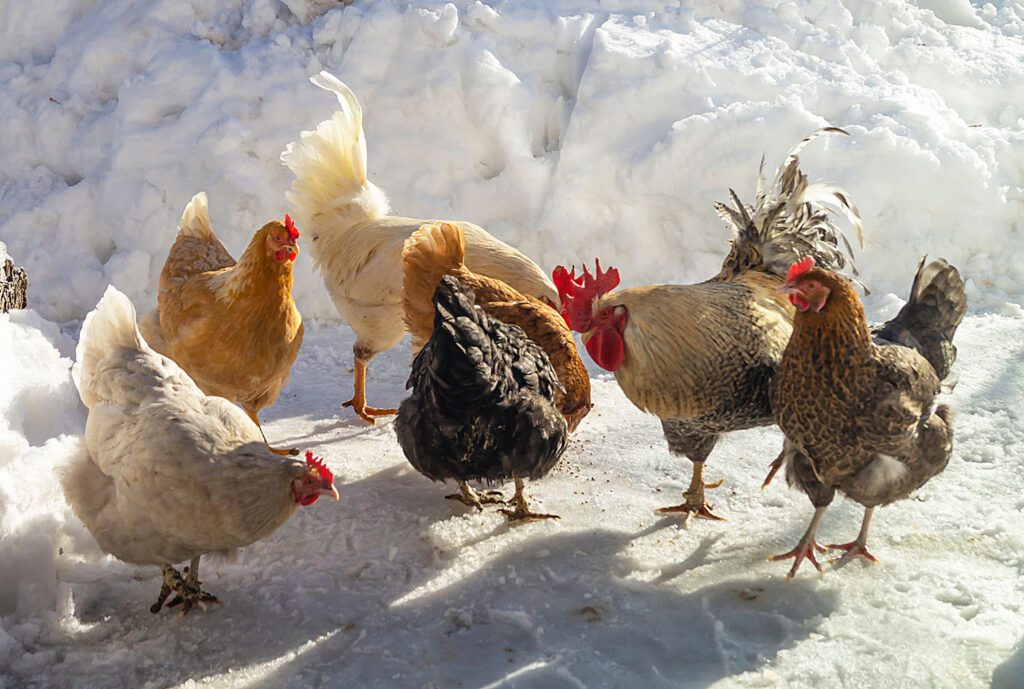
If you keep chickens in cold climates, you already know that not all breeds handle freezing temperatures the same way. Some slow down dramatically when the mercury drops. Others barely skip a beat. Choosing the right cold-hardy chicken breeds before winter arrives, or knowing how to support your existing flock through the season, can make a real difference in how productive and healthy your birds stay.
This guide covers which chicken breeds perform best in cold weather, what makes a breed genuinely cold hardy, and the care adjustments that help your flock get through winter without major problems.
Cold hardiness comes down to a few physical traits. Medium to large-bodied breeds retain heat better than lightweight birds. Dense, full feathering provides natural insulation. And comb type matters more than most keepers expect.
A single comb stands upright and extends away from the head, which means more exposure to cold air and wind. Single-combed breeds are not automatically a poor choice for cold weather, but they do require more attention to coop conditions and frostbite prevention.
Rose combs and pea combs sit closer to the head, which reduces exposure and lowers frostbite risk considerably. If you are managing a flock through a hard winter, comb type is worth factoring into your breed decision alongside body size and feathering.
Not every breed holds up the same way when temperatures drop. The following hardy breeds have proven track records in cold regions, and several are available directly through Freedom Ranger Hatchery. Whether you are building a new flock or adding birds to an existing one, these are worth knowing before you order.
If you want a reliable all-around bird for cold weather, the Heritage Barred Rock is a strong starting point. It carries a single comb, but its medium comb size, dense feathering, and heavier body make it well-suited for cold conditions. Barred Rocks are a dual-purpose breed, valued for both consistent egg production and meat. You can expect solid brown egg output even during cooler months, especially when you support laying with supplemental light and good nutrition. Heritage Barred Rocks are available through Hillside Hatchery at Freedom Ranger Hatchery.
For keepers who want a bird that adapts well and keeps working through tough conditions, the heritage Rhode Island Red delivers. It handles marginal feed and less-than-ideal housing better than many other chicken breeds, which is part of why it has remained a staple for small-scale keepers and backyard flocks for generations. Rhode Island Reds are available in both single comb and rose comb varieties. If you are in a particularly harsh climate, the rose comb variety offers better protection against frostbite. Expect 290 to 300 medium to large brown eggs annually. Heritage Rhode Island Reds are available through Hillside Hatchery.
When dual-purpose performance matters and you need a bird that feathers fast and matures early, the Heritage New Hampshire is worth a close look. Available through Freedom Ranger Hatchery, it is a capable cold-weather performer with solid utility for both eggs and meat. New Hampshires carry a single comb, so monitoring for frostbite is important, especially for roosters during cold snaps. They are not the highest-volume egg layers, but they are consistent and dependable through the colder months.
If you want variety in your egg basket without giving up cold-weather capability, the Easter Egger is a practical addition to the flock. Cold tolerance in Easter Eggers depends partly on individual comb type. Birds with pea combs handle cold conditions better than single-combed breeds, so if you are selecting Easter Eggers for a cold region, look for pea-combed birds. They are friendly, adaptable, and lay blue eggs that add variety to your basket without sacrificing too much in the way of production. Easter Eggers are available through Hillside Hatchery at Freedom Ranger Hatchery.
Cold-hardy laying breeds are not the only birds worth thinking about before winter. If you raise chickens for meat, Freedom Ranger chickens are a strong option for cooler seasons. Their dense feathering and hardy constitution help them keep growing through cold weather, and they handle free-range and pasture-based systems year-round.
A few adjustments make winter meat bird raising straightforward:
Winter-finished meat birds may take a bit longer to reach target weight, but the quality holds up, and raising a batch through the colder months keeps your freezer stocked without waiting for spring.
Egg production is tied closely to daylight. As the days shorten in fall and winter, most hens will naturally slow down or stop laying altogether. Hardy breeds hold on longer and recover faster in spring, but light is the real driver.
Adding supplemental light to your coop, enough to bring your birds to around 14 hours of light per day, encourages hens to maintain their laying cycles through the darker months. A simple low-wattage bulb on a timer is enough to make a meaningful difference and costs very little to run.
Getting good winter performance out of your flock takes more than just choosing the right breed. The care you provide shapes how well your birds perform and stay healthy when temperatures fall.
Coop ventilation and insulation. A well-insulated coop holds warmth, but ventilation still matters. Moisture buildup from breathing and droppings raises humidity, which increases frostbite risk on wattles and combs. Keep airflow positioned near the roofline so damp air can escape without cold drafts hitting your birds directly at roost level.
Frostbite prevention. Applying a thin layer of petroleum jelly to combs and wattles provides some surface protection during extremely cold weather. It is not a cure for frostbite, but it reduces exposure damage on birds with taller, more exposed combs during cold snaps.
Nutrition in cold weather. Your flock will eat more in winter. Chickens burn more calories just staying warm. A layer feed with 14 to 17 percent crude protein supports egg production and general health through the season. Adding a small amount of scratch grains in the evening gives birds extra energy to generate body heat overnight.
Water. Chickens will not drink enough from frozen waterers, and dehydration drops egg production quickly. A heated base or heated waterer keeps water accessible in freezing temperatures and is one of the most practical investments you can make for winter flock management.
If you are selecting new birds for a cold region or planning ahead for next winter, breed choice is the most important decision you will make. Starting with genuinely cold-hardy chicken breeds from a reliable source puts you ahead of most common winter challenges from day one.
Freedom Ranger Hatchery offers heritage Barred Rocks, heritage Rhode Island Reds, Easter Eggers, and heritage New Hampshire chickens through Hillside Hatchery and Freedom Ranger Hatchery. All chicks are hatched and shipped within 24 hours, so they arrive healthy and ready to start their lives in your flock.
Browse available breeds or call us to talk through your options.