


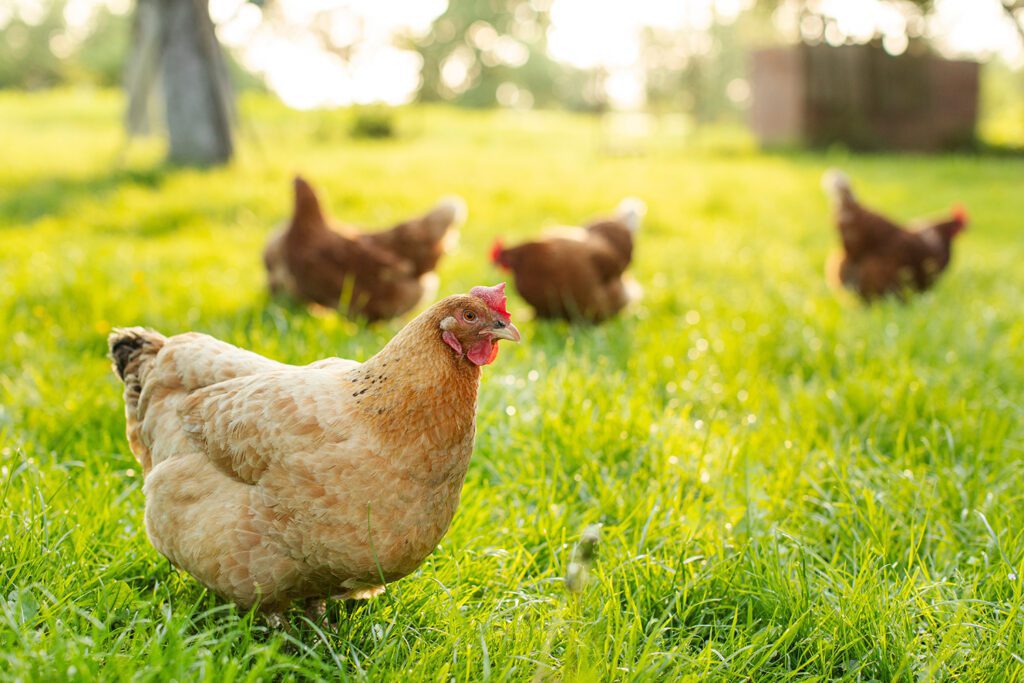
Summer heat is one of the most overlooked threats to a backyard flock. If you’re heading into warm months without a plan, you could lose birds, watch egg production drop, and spend the whole season playing catch-up. Choosing the right heat-tolerant chicken breeds before temperatures climb is one of the most practical decisions you can make as a keeper.
Now let’s find out what makes a breed heat hardy, which specific breeds hold up best in warm conditions, and what you can do right now to protect your flock through the hottest months of the year.
Not all chicken breeds handle high temperatures the same way. A few physical traits make a real difference when you’re raising chickens through summer.
1. Comb type: Chickens release heat through unfeathered surfaces, including their combs, wattles, and leg shanks. Breeds with large combs have more surface area to shed heat, which is one reason Mediterranean breeds developed in warm, dry regions tend to do well in hot climates. Single-comb varieties generally have an advantage over rose-comb or pea-comb breeds when temperatures climb.
2. Body size and feathering: Smaller, leaner birds generate less metabolic heat. Dense, heavy feathering traps warmth close to the body. Breeds like the Buff Orpington, while popular for their calm temperament, are more vulnerable in summer specifically because of their full, fluffy plumage. Lighter-feathered birds stay cooler with far less effort.
3. Metabolic efficiency: Breeds that are active foragers and leaner in frame produce less internal heat than fast-growing, heavy-bodied birds. For laying flocks in warm regions, this matters considerably when you’re planning for summer productivity.
4. Chickens cannot sweat: They release heat by panting, which itself generates additional body heat and leads to water loss, making shade, ventilation, and consistent hydration non-negotiable during a heat wave.
Here are chicken breeds available through Freedom Ranger Hatchery and Hillside Hatchery that have a track record of performing well in warm conditions.
When it comes to hot climates, the White Leghorn is one of the best-documented performers available to chicken keepers. A classic Mediterranean breed developed under warm-weather conditions, its large single comb and lean frame make it well-suited for summer heat. Hillside Hatchery’s Novogen White lays around 335 large to extra-large white eggs per year with strong feed efficiency. Active foragers, they handle warmer weather better than heavier breeds and do well in free-range settings.
Heritage Rhode Island Reds are known for their adaptability across a wide range of conditions. Their hardy constitution, moderate body size, and active temperament help them manage through warm stretches without the same vulnerability you’d see in heavier, fluffier birds. Hillside Hatchery’s heritage Rhode Island Red is a dependable, balanced choice for mixed or moderate climates.
Easter Eggers are active, curious birds that handle backyard life well across different weather conditions. Their moderate size keeps metabolic heat lower, and their easygoing temperament supports low-stress flock dynamics. Calm, low-stress birds hold up better during periods of extreme heat and tend to be more consistent layers throughout the summer.
Heritage Barred Rocks are often grouped with cold-hardy breeds, but their sturdy constitution handles heat reasonably well when given proper management and shade. They’re a reliable dual-purpose bird for keepers in mixed climates, and they don’t hit the extremes of either cold or heat sensitivity.
The Freedom Ranger chicken is derived from heritage breeds and was developed specifically for outdoor, free-range production. Compared to fast-growing conventional broilers, the Freedom Ranger’s slower growth rate and leaner metabolic profile mean it produces less internal body heat. For small-scale meat producers managing flocks through summer, this breed’s active foraging habits and hardier build make it a more manageable option when temperatures rise.
Even the most heat-tolerant chicken breeds need your active support once temperatures climb. Here is what to focus on:
Taking these steps consistently through the hottest months makes a measurable difference in flock health, egg production, and overall summer outcomes. A few small adjustments to your routine, especially around water and airflow, can prevent a lot of avoidable losses before they happen.
Yes, and it changes your management priorities as well. Mediterranean breeds like the White Leghorn and other lean, single-comb chicken breeds handle dry Western heat well because they shed heat efficiently through panting and their large combs.
In humid Southern summers, even heat-tolerant chicken breeds need more support because high humidity limits how well evaporative cooling through panting actually works. In humid conditions, shade and airflow become more critical than in dry heat, and you may still see production dips even with a well-chosen, heat-hardy flock.
Knowing your climate type helps you plan the right combination of breed selection and management before summer arrives rather than responding after losses occur.
You do not have to choose between egg production and flock health when temperatures rise. The right breed selection, combined with consistent management habits, makes summer flock keeping straightforward rather than stressful. Whether you are building a heat-tolerant chicken flock from the ground up or adding heat-adapted birds ahead of next season, starting with healthy, well-bred chicks is the foundation that everything else depends on.
Freedom Ranger Hatchery ships healthy chicks within 24 hours of hatching, giving you a strong, reliable start with every order. Browse our breed selection online or call us if you have questions about which breeds fit your climate and goals.