


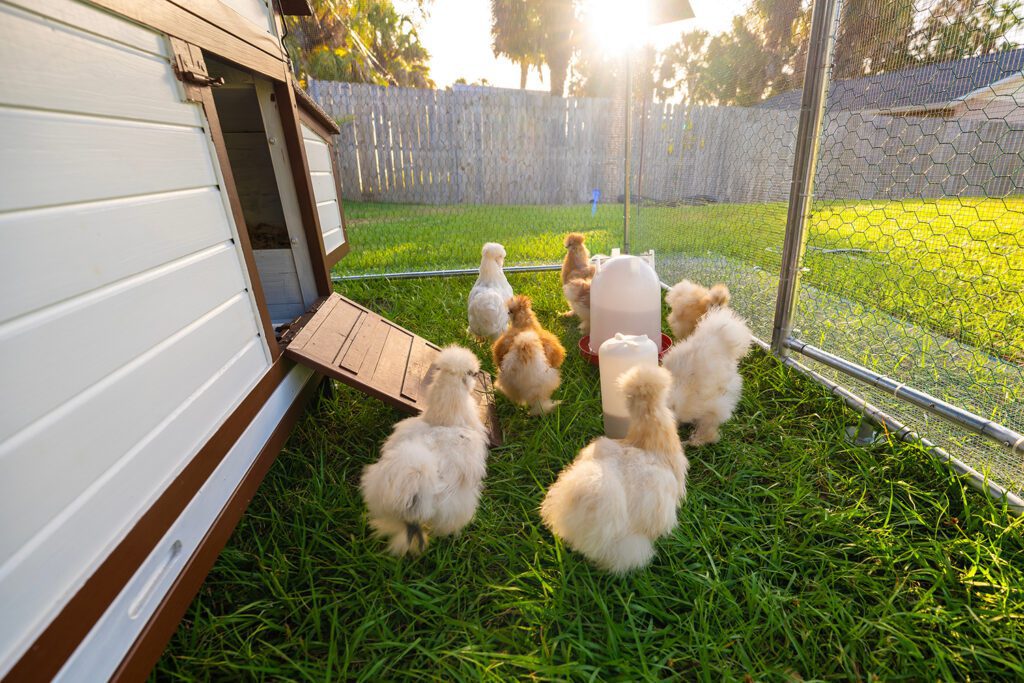
If you’ve been thinking about keeping chickens, you’re probably wondering where to actually begin.
Owning chickens for beginners doesn’t have to be overwhelming. With the right breed, a solid coop, and a simple daily routine, you can raise a healthy backyard flock that gives you fresh eggs, quality meat, or both.
This guide walks you through each step so you can move forward with confidence.
Before you buy birds or build anything, take an honest look at your setup and schedule.
Chickens need consistent daily care, including feeding, fresh water, and a quick visual check. Most backyard keepers spend about 10 to 15 minutes a day once their flock is established. If you can commit to that, you’re already in good shape.
A few things to sort out before you start:
Getting clear on these early makes every decision after it easier.
Breed selection is one of the most important choices you’ll make.
Different chicken breeds vary in temperament, production rate, egg color, and how well they handle heat or cold. Picking a breed that fits your goals and environment sets your flock up for a much smoother start.
For beginners focused on egg production, Hillside Hatchery breeds like the heritage Barred Rock, heritage Rhode Island Red, and Novogen Brown are strong, reliable choices. They’re calm, consistent layers. If you want color variety in your egg basket, Easter Eggers are friendly, easy to manage, and a backyard favorite.
If meat production is your goal, Freedom Ranger Hatchery’s Freedom Ranger chickens are a well-proven option. They’re derived from heritage breeds and grow efficiently on pasture.
Most first-time keepers start with day-old chicks, and for good reason. They’re more available, less expensive than started pullets, and raising them from the start gives you a better read on each bird’s health and temperament.
Chicks need a warm brooder for the first several weeks. Start at around 95 degrees Fahrenheit and drop the temperature by about 5 degrees each week as they feather out. Most are ready to move outside between 6 and 8 weeks. Faster feathering breeds are able to be moved out in as little as 3 weeks.
At Freedom Ranger Hatchery, we hatch and ship chicks within 24 hours of hatching, so you’re getting birds at their freshest with the strongest possible start.
Your chicken coop is the foundation of a healthy flock. A well-built coop keeps birds dry, safe from predators, and well-ventilated without being drafty.
Here’s what to plan for:
You don’t need a perfect setup on day one, but you do need a safe one. Get these basics right, and your birds have a stable place to settle in from the start.
Chicks under 16 weeks do best on a starter with a protein level around 20 to 22 percent. After about 3 weeks of starter you can transition them to an 18% grower.
Once your hens start laying, switch to layer feed. It contains the higher calcium levels hens need for strong eggshells. Staying on starter too long, or switching too early, affects shell quality and long-term health.
Keep clean, fresh water available at all times. Even a brief gap can cause an egg production drop that takes days to recover from.
Scratch grains and treats are fine occasionally but shouldn’t exceed 10 percent of daily intake. Too many treats dilute a balanced ration and lead to soft shells and inconsistent laying.
Most laying breeds start producing eggs between 18 and 24 weeks of age.
A healthy, well-fed hen will typically produce four to six eggs per week during peak laying months. Keep in mind that egg production slows as daylight shortens in fall and winter. A low-wattage light on a timer, set to maintain 14 to 16 hours of light per day, helps keep hens on a consistent schedule year-round.
Owning chickens for beginners is more manageable than it looks. Pick the right chicken breeds, build a solid chicken coop, dial in your feeding routine, and you’ll raise chickens that deliver fresh eggs or quality meat on a schedule you can count on.
At Freedom Ranger Hatchery, we’re a family-owned hatchery based in Lancaster, Pennsylvania, and we’re here to help you get started with healthy birds and honest guidance. Browse our available breeds and start your flock today.