


When you’re planning a batch of meat birds, your breed choice directly affects your timeline, feed bill, daily management, and the final product you put in the freezer or sell to customers. You need birds that match how you raise them, whether that’s on pasture, in tractors, or in a more controlled setup.
Let’s compare Freedom Ranger vs Cornish Cross in growth rate, feed efficiency, pasture performance, processing timeline, and flavor so you can choose the best fit for your flock.
If you want fewer surprises, start with timing. The grow-out window affects brooder space, pasture rotations, and the week you plan to process. This is where the two most clearly separate. Here’s what you can typically expect:
If your goal is multiple batches in a season, Cornish Cross is often the easiest to schedule. If your goal is to raise active birds that stay mobile longer, Freedom Rangers often fit better.
When comparing Cornish Cross feed efficiency to Freedom Ranger feed use, the difference usually comes down to speed versus system fit. Here’s how to think about the difference when planning your batch:
If you’re focused on the lowest feed cost per pound of meat produced, Cornish Cross is hard to beat. If you’re raising pasture-raised broilers and value birds that range and forage, Freedom Rangers may match your priorities better.
How birds behave changes your daily workload. It also changes how well your pasture system works. If you are using tractors, rotating pens, or open pasture, activity level matters more than most people expect. Here’s what you will commonly see:
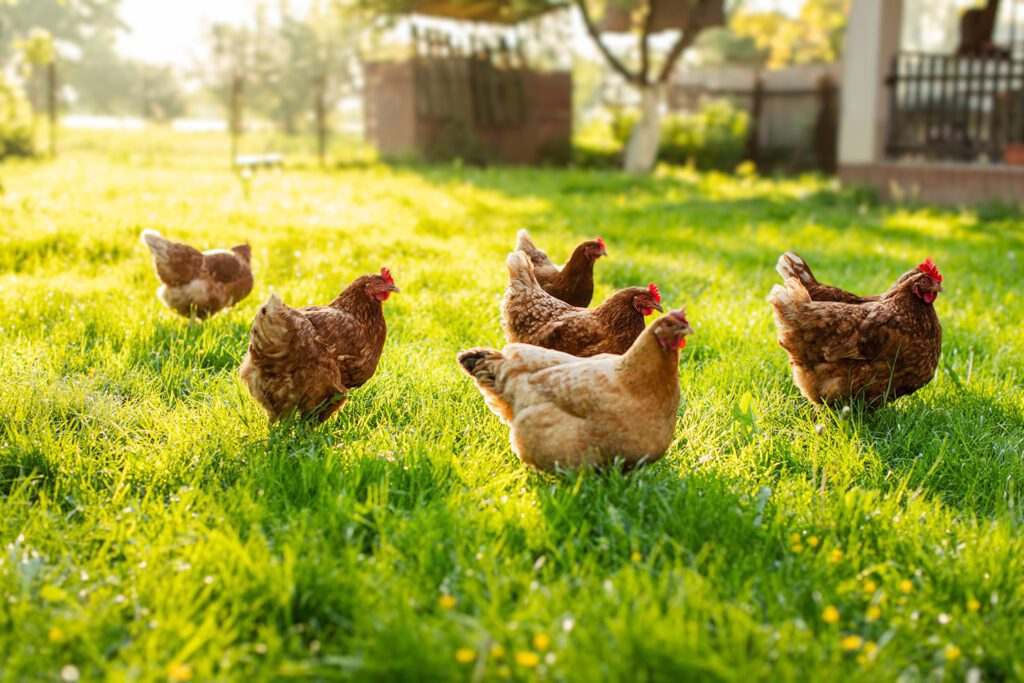
In short, with Freedom Ranger vs Cornish Cross, Freedom Rangers are the better fit if you want birds that range, forage, and stay active on pasture. Cornish Cross is often the better choice if you want birds that stay close to feed and reach processing weight more quickly.
Leg health is one of the biggest real-world differences for many producers. Faster growth can put more strain on legs, especially as processing day gets closer.
With Cornish Cross, good management can reduce problems, but the growth curve is still intense. Enough space, dry bedding, and a steady routine matter.
With Freedom Rangers, the steadier growth and higher activity level often support mobility through the grow-out. For producers raising birds on uneven ground, this can be a meaningful advantage.
If you are choosing between these meat chicken breeds for a pasture system, leg health and mobility are worth weighing right alongside feed numbers.
Even if two birds have similar live weights, the carcasses can look and cut differently. That matters for customer expectations and for how you cook at home. Here’s a simple way to think about carcass traits:
In this broiler chicken comparison, Cornish Cross fits buyers who want large breast portions and a supermarket-style bird, while Freedom Rangers suit those who prefer balanced cuts and a more traditional whole bird.
If you sell direct or you care about taste in your own kitchen, flavor can be the deciding factor. Age and activity level affect texture and taste. In general, you can expect:
These flavor differences in broilers are why some producers stick with Cornish Cross for efficiency, while others choose Freedom Rangers to support a specific taste and texture their customers ask for.
Choosing between Freedom Ranger vs Cornish Cross isn’t about which breed is better. It’s about which one fits your production goals, pasture setup, processing schedule, and the eating experience your customers expect.
Freedom Ranger Hatchery offers both Freedom Rangers and Cornish Cross chicks, along with clear, performance-based guidance so you know what to expect before you order. That way, you can plan your batch with realistic timelines, manageable feed expectations, and a broiler that matches how you raise birds.